Last year, I was diagnosed with a rare chronic illness. This is a story of a determined 22 year old and a time that was no vacation. It’s a story about how small choices can lead to big changes.
Last year, my life changed in the back of an Uber. I was on my way home from an appointment with yet another specialist. My driver was playing instrumentals with beautiful flute, harp and bell harmonies as the tree-lined streets turned into the freeway. Quite a serene moment for what was to come.
It all started last February on Super Bowl Sunday. I was in the second semester of my first year as a transfer student at CSULB. At the time, I was living on campus.
My friend and I decided to watch the Super Bowl together in one of the entertainment rooms. Since it was a school night, we worked on assignments while watching the game.
For the past week, my head had been pounding nonstop. Two days earlier, the same friend took me to the emergency room. After seven hours waiting in the ER, they prescribed me Excedrin and sent me on my merry way.
I was feeling better, thanks to the over-the-counter medication. Or so I thought. We got through the halftime show, but at some point during the second half, my mind started to drift. I lost my focus, and whatever assignment I was working on stopped making sense.
I asked my friend if we could go on a walk around the building to shake it off. When we got back to the entertainment room after, my friend started asking some questions.
“Are you feeling okay?”
“Yeah, we’re on the second floor,” I replied.
“Reign, what’s your mom’s number?”
Her concern became panic, and before I knew it, she was on the phone with 911.
“Did you take any medications today?” She asked on behalf of the 911 operator.
“It’s almost eight,” I replied nonsensically.
Soon, the room was filled with paramedics asking questions that I could barely answer. I forgot where I was and what my friend’s name was. The paramedics walked me to the ambulance where I was rushed to the nearest ER.
In my entire 22 years of living, I have only ever been sick once. I had never been in an ambulance, and I could hardly recall the few times I’d been to an ER. By the time we got there, my mind was slowly returning, and I called my mom. The situation was serious enough that she booked a flight from Oakland to come see me.
I ended Super Bowl Sunday with an overnight hospital stay, and my mom arrived the next day. She booked a hotel room and I stayed with her for the next few days. She decided we needed to go back home so I could see my usual doctors.
During the next few weeks, things got worse. I couldn’t stop hiccuping or keep any food down. My headache returned with no relief in sight. So much for Excedrin.
By late February, I was back in the hospital. For the next three days, I met with specialists who had more tests and exams done than I can count.
At the end of my stay, the on-site neurologist met with me before I was discharged. He wasn’t sure of my diagnosis, but based on my MRI he thought it was probably multiple sclerosis or a similar condition.
I was so out of it that once he said people with MS go on to have normal lifespans, I stopped listening. I just wanted to go home. He scheduled an appointment for me to meet with an outpatient neurologist during the upcoming week.
This period of my life is what my mother has so jokingly dubbed as my vacation. To this day, there isn’t much I can clearly remember. The lights were on, but nobody was home.
Before the appointment with the neurologist, I did some more research into MS. I learned that it’s an autoimmune disease when your immune system attacks your brain and spinal cord.
At the outpatient neurology appointment, I was expecting an MS diagnosis. Instead, more blood tests were ordered, and I was shown images from my MRI. Based on what she saw, the images weren’t consistent with MS. She narrowed it down to either neuromyelitis optica or myelin oligodendrocyte glycoprotein antibody-associated disease.
Don’t worry, I couldn’t pronounce them either. My neurologist told me that I’d find out which mystery condition I had within a month.
Naturally, I turned to Reddit, the obvious trusted source of information about my two possible outcomes. Thus began an endless doomscrolling cycle for the next few weeks until my results came back.
According to Reddit doctors, both conditions were similar to MS. The difference is that with NMO and MOGAD, your immune system attacks your optic nerves and spinal cord.
While waiting for my tests to come back, I had to see a few other specialists. One of which was an ophthalmologist to check my optic nerves. By then, it was March, and I couldn’t bear waiting any longer for an answer.
You know that saying about being careful what you wish for? I was on my way home from the ophthalmologist when suddenly, the serene music in the Uber was interrupted.
My neurologist was calling with my blood results. I had NMO. My first thought? Well, this sucks.
My vision blurred with tears as she explained that getting diagnosed in 2025 has a much different outcome than years prior. At the time, it was hard to look at the bright side of being told I had a rare chronic illness.
My neurologist told me I’d have to start infusion treatments to stop further disease activity. I had two months to wait until the next available appointment.
Soon after my diagnosis, I withdrew from all classes that semester. My mom and I drove back to my dorm so I could pack my things and move back home. My daily life felt like an endless cycle of lamenting. Woe was, in fact, me.
This cycle continued for a while. My mom had been off work since February taking care of me, but she eventually had to go back. Time kept passing, and life around me moved on. So, I chose to move on too.
Ultimately, what got me through this waiting period was choice. Not just one, but a series of small choices.
During an NMO attack, some symptoms you develop will become your new baseline. For me, it was paresthesia. This caused numbness and tingling in my legs.
So, the first choice I made was to walk every day. Some days I could only walk up and down the street. Eventually, that became a block, which became a mile or more daily.
I cut out fast food and began making meals at home. I discovered a bunch of healthy, low-effort recipes since standing for long was uncomfortable. Cooking became a comfort and a hobby.
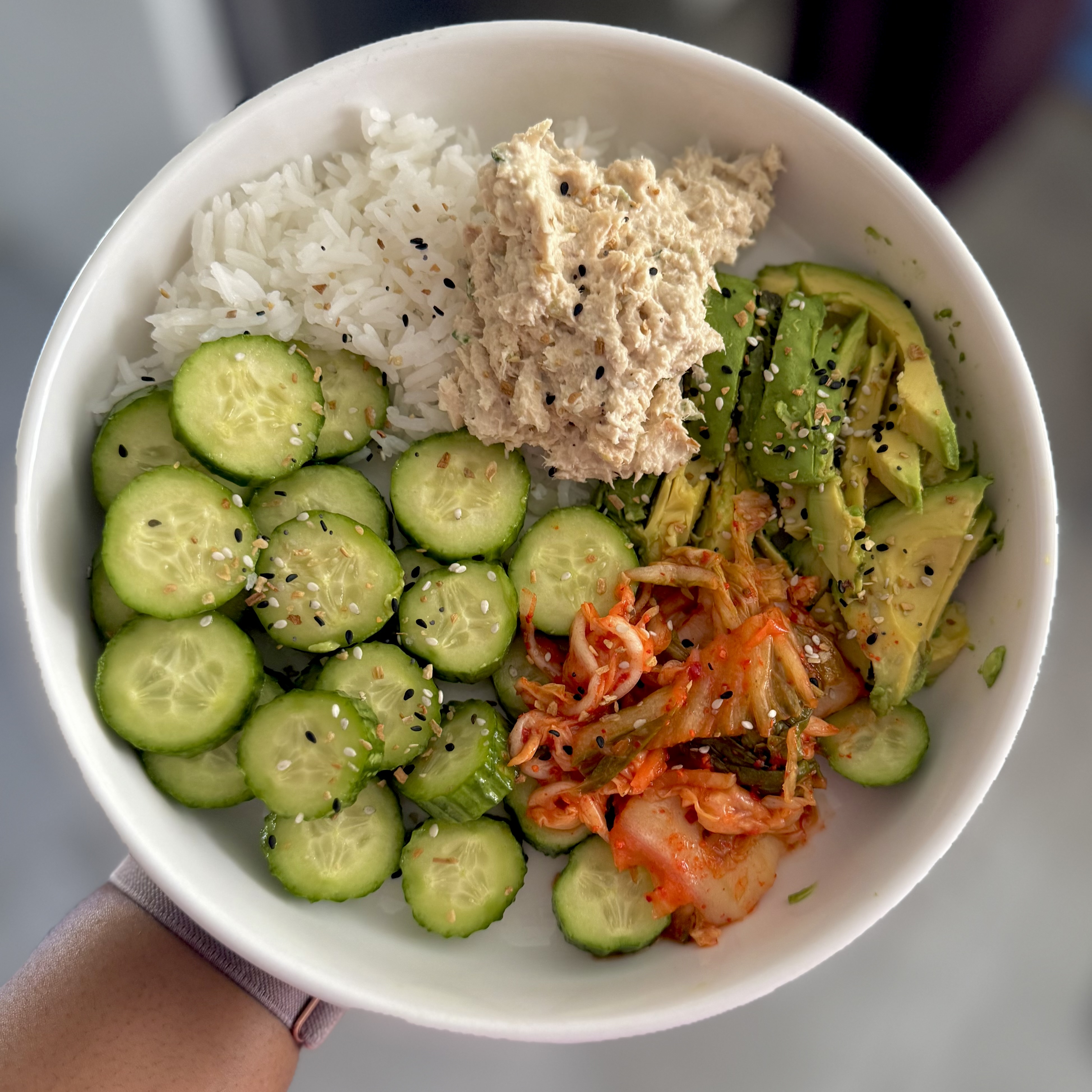
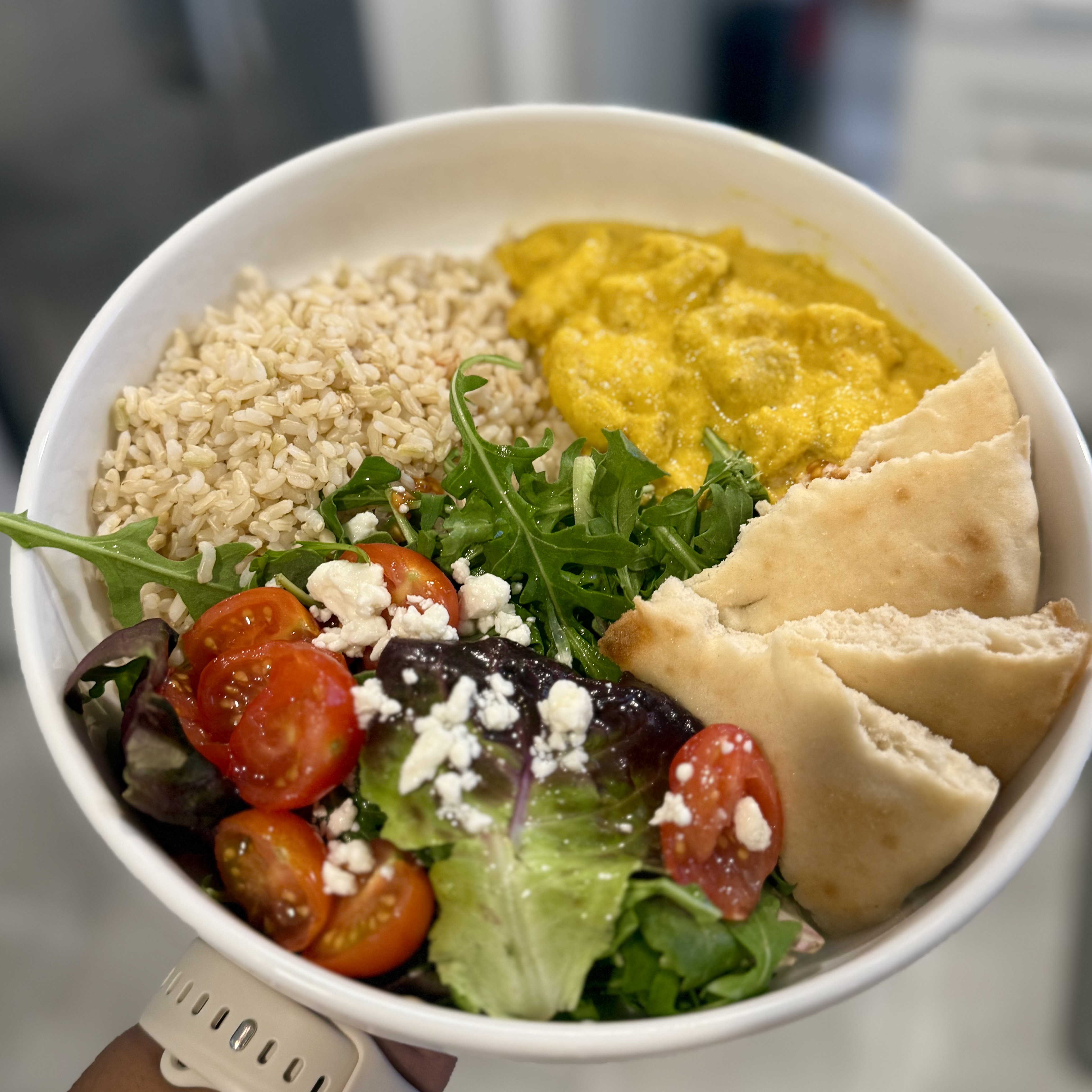
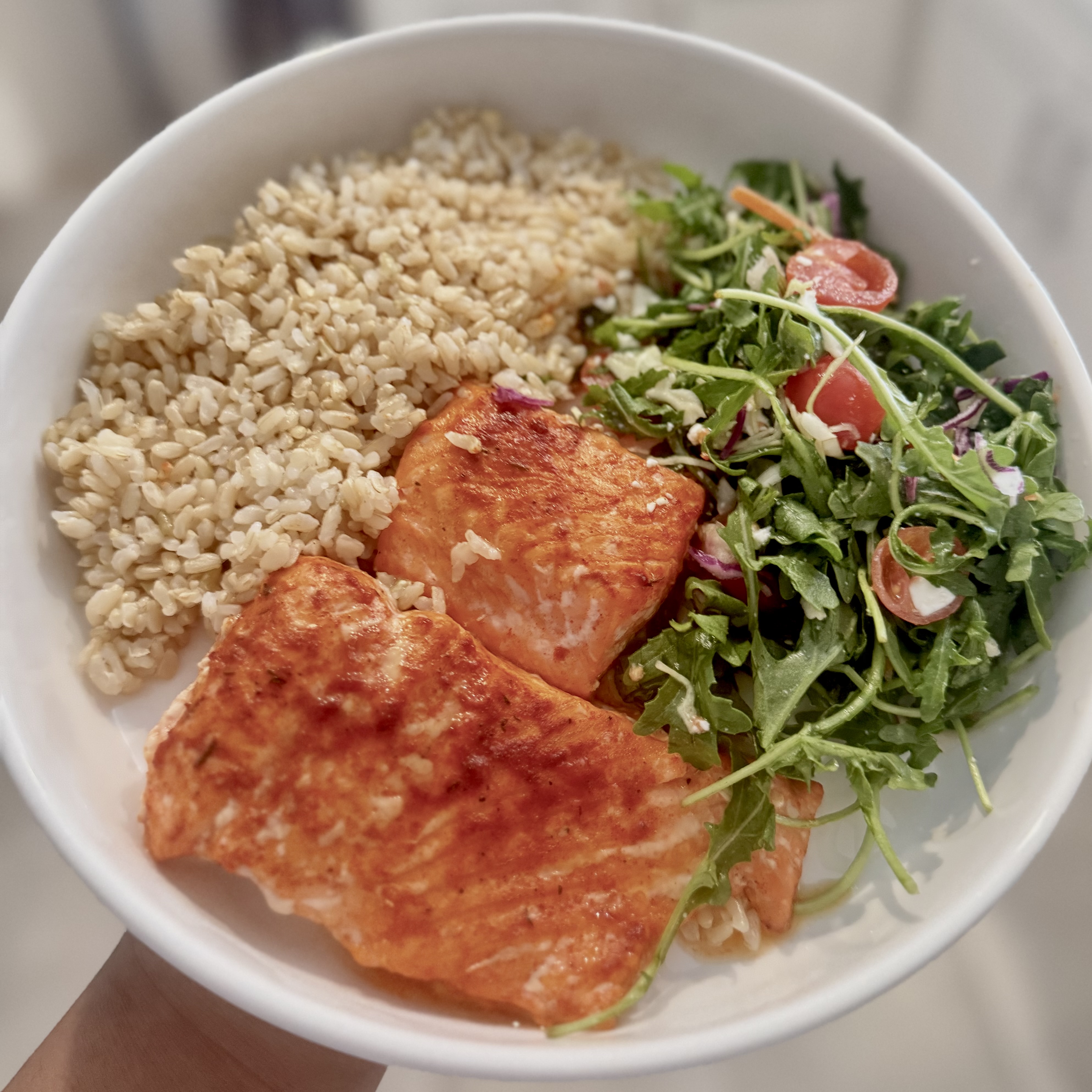
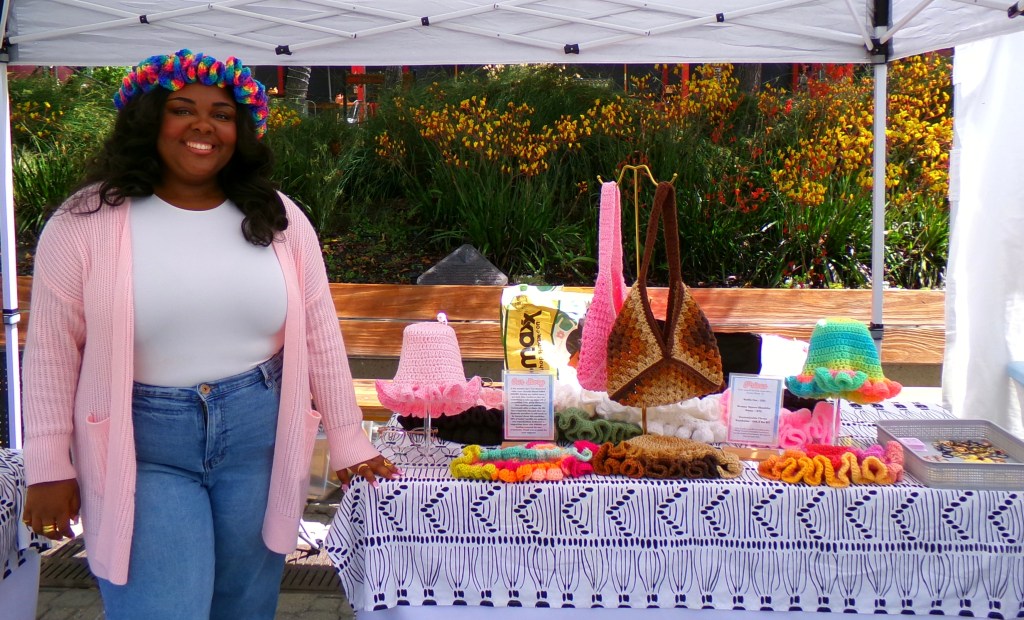
I started to crochet, an old hobby of mine. I made hats, purses and keychains at lightning speed since most days were spent at home. Eventually, I opened up an Etsy shop, RT Kreationz.
When May arrived, my mom and I participated in a craft show as vendors. It was my first time selling anything I’ve made in person. Crocheting gave me something to focus on and be proud of.
Shortly after the craft show, I had my first round of infusions. Everything went well, and I was starting to feel like myself again. The brain fog was clearing, my mobility was coming back and my outlook was promising.
Out of all of my choices, I think the most important one was going back to therapy. I reached out to my old therapist, who luckily had availability. During one of our sessions, she said something that stuck with me.
“NMO doesn’t define you. Your life doesn’t stop here.”
It was because of therapy that I felt comfortable going back to school. I enrolled in summer classes to make up for some of the units I missed. I was back at CSULB that fall with a full 15-unit schedule. Some might say I’m a glutton for punishment because I also enrolled in a winter class at my old community college.
Now, in spring of 2026, I am happy to report that I have been on treatment and in remission of NMO for a year. I am on track to graduate with honors, and I still cook and crochet.
My vacation wasn’t sunshine and rainbows, but it gave me a new perspective. In life, it’s likely you will have a well, this sucks moment. The choices you make when things get hard are what matter most.
Unfortunately, there is no cure for NMO. I will have it for the rest of my life. Yet, every day I try to make small, healthy choices.
I’m not here to tell you to eat chicken and broccoli and go to the gym every day. I just ask that you make healthy choices while they are still options, and not a requirement.
My life changed last year when I got NMO, and yet in many ways, I have never been better.
If you want to learn more about or donate to fund research for NMO, visit The Guthy-Jackson Foundation or The Sumaira Foundation for more information.

 Welcome to My Blog
Leave a comment